
Designing a multi-story home presents unique challenges and exciting opportunities. From maximizing space and ensuring efficient flow between levels to selecting appropriate staircases and considering accessibility features, careful planning is paramount. This exploration delves into the intricacies of crafting functional and aesthetically pleasing multi-story floor plans, examining various styles, layouts, and design considerations to help you navigate the complexities of this architectural endeavor.
We’ll cover key aspects like space allocation, staircase design, elevator integration, and optimizing natural light and ventilation. We’ll also compare different architectural styles and explore the advantages and disadvantages of various approaches, ultimately aiming to provide a comprehensive guide for anyone embarking on the journey of designing or understanding a multi-story home.
Understanding Multi-Story Floor Plan Basics
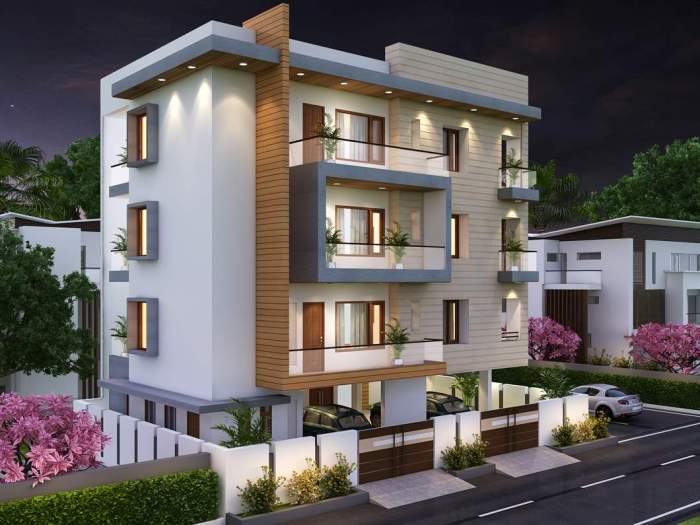
Designing a multi-story home requires careful consideration of various factors to ensure both aesthetic appeal and practical functionality. A well-planned multi-story home maximizes space, improves flow, and enhances the overall living experience. This section explores key elements and common challenges in designing effective multi-story floor plans.
Key Elements of a Well-Designed Multi-Story Home Floor Plan
A successful multi-story floor plan prioritizes efficient space utilization, clear circulation paths, and a logical arrangement of rooms. Key elements include a well-defined central staircase or elevator for easy vertical movement between floors, strategically placed windows for natural light and ventilation, and a layout that minimizes wasted space. Consideration should also be given to the placement of bathrooms and utility rooms to optimize plumbing and minimize noise transfer between floors.
Finally, the design should seamlessly integrate the different levels, creating a unified and cohesive living space. For example, an open-plan layout connecting the kitchen and living room on the ground floor with a balcony overlooking the living space on the upper floor creates a sense of spaciousness and visual connection between levels.
Flow and Functionality in Multi-Story Home Design
The flow and functionality of a multi-story home are paramount. A well-designed floor plan ensures smooth transitions between rooms and floors, minimizing unnecessary travel and maximizing usability. For example, placing frequently used rooms like the kitchen, dining area, and living room on the ground floor improves accessibility and convenience. Similarly, locating bedrooms and bathrooms on upper floors provides privacy and quietude.
Efficient placement of storage spaces throughout the home also contributes to improved functionality. Poor flow, such as a circuitous staircase or poorly placed rooms, can negatively impact the overall usability and livability of the home.
Common Design Challenges and Solutions in Multi-Story Homes
Several design challenges are unique to multi-story homes. One common challenge is managing vertical circulation. Solutions include strategically placed staircases and elevators, ensuring sufficient headroom and minimizing awkward turns. Another challenge involves maximizing natural light in lower levels. This can be addressed through the use of skylights, strategically placed windows, and light wells to bring natural light into interior spaces.
Noise transfer between floors is another concern, which can be mitigated through the use of soundproofing materials in floors and ceilings. Finally, efficient plumbing and electrical layouts require careful planning to avoid costly and disruptive renovations later. Addressing these challenges during the initial design phase is crucial for creating a comfortable and functional multi-story home.
Comparison of Multi-Story Home Styles and Floor Plan Layouts
The following table compares typical floor plan layouts for different multi-story home styles:
| Style | Typical Layout Features | Ground Floor | Upper Floor(s) |
|---|---|---|---|
| Colonial | Formal, symmetrical, often with a central hallway | Formal living and dining rooms, kitchen, possible family room | Bedrooms, bathrooms, sometimes a study or bonus room |
| Ranch (Multi-Story Variation) | More informal, often with split-level or raised foundation | Living areas, kitchen, sometimes a master suite | Additional bedrooms, bathrooms, sometimes a game room or home office |
| Modern | Open floor plans, clean lines, minimalist design | Open-plan living, kitchen, and dining area | Bedrooms, bathrooms, often with large windows and balconies |
| Victorian | Ornate detailing, asymmetrical design, multiple gables | Often features a grand entrance hall, formal living and dining rooms | Multiple bedrooms, bathrooms, potentially servant’s quarters or attic spaces |
Space Planning and Room Allocation
Effective space planning is crucial in multi-story homes, maximizing the available area and creating a functional and comfortable living environment. Careful consideration of room placement, size, and flow between rooms is essential for optimizing the use of vertical space and ensuring a seamless transition between floors. This involves strategically allocating rooms based on their function and the family’s lifestyle needs.Efficient space utilization in multi-story homes hinges on thoughtful design and strategic room placement.
By considering the natural flow of movement within the house and the relationships between different areas, architects and designers can create layouts that minimize wasted space and maximize the functionality of each area. This is particularly important in multi-story homes where vertical space needs to be utilized effectively.
Efficient Layouts for Bedrooms, Bathrooms, and Living Areas
Effective layouts for bedrooms, bathrooms, and living areas on different floors often involve placing bedrooms on upper floors for privacy and quietude, while locating living areas and kitchens on the ground floor for convenience and accessibility. Bathrooms are typically placed near bedrooms for ease of use. For example, a master suite with a private bathroom on the upper floor provides a retreat-like atmosphere, while placing guest bedrooms on the same floor minimizes disruption to the main living spaces.
A laundry room situated conveniently near bedrooms on the upper floor reduces the need to carry laundry up and down stairs. Conversely, placing the main living area and kitchen on the ground floor provides easy access for guests and allows for natural light to flood the spaces.
Open-Concept vs. Closed-Concept Designs
Open-concept designs, characterized by the removal of walls between rooms to create a large, open space, offer a sense of spaciousness and fluidity in multi-story homes. They promote interaction and natural light flow, but can sometimes lack privacy and sound insulation. Closed-concept designs, on the other hand, utilize walls to define distinct spaces, offering greater privacy and sound dampening, but can feel more compartmentalized and less airy.
The optimal choice depends on the family’s lifestyle and preferences. For example, a family who enjoys spending time together might prefer an open-concept living area, while a family that values privacy might prefer a closed-concept layout with defined rooms.
Sample Three-Bedroom, Two-Bathroom Multi-Story Home Floor Plan
Imagine a two-story home. The ground floor features an open-concept living, dining, and kitchen area maximizing natural light and flow. A half-bathroom is conveniently located near the entryway for guests. Upstairs, the master suite boasts a spacious bedroom, a walk-in closet, and a private bathroom. Two additional bedrooms share a second full bathroom.
This layout prioritizes privacy for the master suite while providing ample space and shared amenities for the other bedrooms. The stairs are strategically placed to minimize disruption to the living areas. This design prioritizes functionality and flow, optimizing space utilization while maintaining a comfortable and practical layout. The key spatial considerations include maximizing natural light, creating clear circulation paths, and ensuring sufficient closet and storage space throughout the home.
Staircase Design and Placement
The staircase is more than just a means of connecting floors; it’s a significant design element impacting both the functionality and aesthetics of a multi-story home. Careful consideration of its design and placement is crucial for creating a safe, efficient, and visually appealing living space. This section explores various staircase designs, their impact on floor plan flow, and key factors for safe and functional implementation.
Staircase Designs for Multi-Story Homes
Several staircase designs cater to different architectural styles and space constraints. Straight staircases offer simplicity and maximize space efficiency in a linear fashion, ideal for homes with ample vertical space. L-shaped staircases provide a change of direction, often suitable for smaller floor plans where a straight staircase might be impractical. U-shaped staircases offer a similar functionality to L-shaped but with a larger footprint and a more grand aesthetic.
Spiral staircases conserve floor space remarkably but can be less accessible and may not be suitable for all household members, especially those with mobility challenges. Curved staircases provide an elegant and flowing transition between floors but require more careful planning and often involve custom fabrication.
Impact of Staircase Placement on Floor Plan Flow and Aesthetics
The placement of a staircase significantly influences the overall flow and visual appeal of a home. A centrally located staircase can act as a focal point, drawing the eye and enhancing the architectural grandeur. However, this placement may impede traffic flow in high-traffic areas. Positioning a staircase near the entryway allows for immediate access to upper floors but might create a less private transition.
Placing the staircase away from the main living areas can preserve a sense of tranquility but may necessitate longer travel distances. The aesthetic impact extends beyond mere location; the choice of materials and design elements also greatly affects the overall look and feel of the home.
Factors to Consider When Designing a Safe and Functional Staircase
Safety and functionality are paramount in staircase design. Adequate headroom is essential to prevent head injuries, with a minimum clearance of 6 feet 8 inches (2.03 meters) typically recommended. Stair width should allow for comfortable two-way traffic, generally at least 36 inches (0.91 meters) wide. Handrails on both sides are crucial for safety, positioned at a height that allows for a comfortable grip.
Consistent riser and tread dimensions are vital for preventing trips and falls; consistent riser height (the vertical distance between steps) and uniform tread depth (the horizontal depth of each step) are key to maintaining a safe and comfortable rhythm for climbing. Proper lighting is crucial for ensuring visibility and reducing the risk of accidents, particularly in low-light conditions.
Comparison of Staircase Materials and Their Impact on Design
The choice of materials significantly impacts both the aesthetic and functional aspects of a staircase. Below is a comparison of common materials:
- Wood: Offers warmth, versatility in styles (from rustic to modern), and is relatively easy to maintain. Various wood types and finishes allow for customization to match the overall home design. It can be relatively expensive depending on the chosen wood.
- Metal: Provides a modern, sleek look, often used in contemporary homes. Metal staircases can be durable and require minimal maintenance. However, they can be cold to the touch and may require additional safety measures to prevent slips.
- Stone: Offers a luxurious and classic aesthetic. Stone staircases are durable and can withstand heavy use. However, they are typically expensive and can be heavy, requiring robust structural support.
- Concrete: A cost-effective and durable option, often used in contemporary or industrial designs. Concrete staircases can be customized with various finishes and textures. However, they may require more intricate finishing work to achieve desired aesthetics.
- Glass: Creates a modern and minimalist look, often used as a feature element in contemporary designs. Glass staircases can be visually stunning, offering an unobstructed view. However, they may require specialized installation and maintenance to ensure safety and durability.
Elevators and Accessibility Features
Incorporating elevators and thoughtful accessibility features in multi-story homes significantly enhances both convenience and livability, particularly for residents with mobility limitations or as the homeowner ages. These additions not only improve daily life but also increase the overall value and appeal of the property.Elevators provide effortless vertical transportation, eliminating the physical strain of climbing stairs. This is especially beneficial for individuals with disabilities, older adults, or those recovering from injuries.
Beyond accessibility, elevators add a touch of luxury and convenience to everyday life, making multi-story living more manageable and enjoyable for everyone.
Benefits of Elevators in Multi-Story Homes
The advantages of installing an elevator extend beyond simple accessibility. They offer a significant increase in convenience for all residents, regardless of physical ability. Carrying groceries, luggage, or even simply moving between floors becomes effortless. In larger homes, this convenience translates to a considerable improvement in quality of life. Furthermore, elevators can significantly increase the resale value of a home, appealing to a broader range of potential buyers, including those with accessibility needs.
Accessible Design Features for Multi-Story Homes
Beyond elevators, numerous other design features contribute to a more accessible multi-story home. These features should be integrated seamlessly into the overall design, rather than appearing as afterthoughts. Wide doorways and hallways allow for easier wheelchair navigation. Ramps, strategically placed, provide alternative access points to stairs. Grab bars in bathrooms and hallways offer crucial support for stability.
Accessible light switches and electrical outlets, positioned at appropriate heights, enhance ease of use. Lever-style door handles are easier to operate than traditional knobs. Finally, the use of non-slip flooring materials throughout the home minimizes the risk of falls.
Factors to Consider When Planning Elevator Installation
Planning for elevator installation, whether in a new build or retrofit, involves several key considerations. In new constructions, the elevator shaft can be incorporated into the initial design, streamlining the process. For existing homes, careful assessment of structural integrity and available space is crucial. The size and capacity of the elevator must be determined based on the number of residents and anticipated use.
The cost of installation, including permits, engineering, and construction, should be factored into the budget. Regular maintenance and safety inspections are essential for long-term functionality and peace of mind. Finally, the aesthetic integration of the elevator into the home’s existing design should be considered to maintain a cohesive look.
Integrating Accessibility Features into Floor Plan Design
Seamless integration of accessibility features is paramount. This requires careful consideration during the initial stages of floor plan development. Accessible features shouldn’t be an afterthought; they should be incorporated organically into the design. For example, placing bedrooms and bathrooms on the ground floor allows for easy access without relying solely on the elevator. Wide hallways and doorways should be incorporated throughout the home, ensuring ease of movement for wheelchairs and other mobility aids.
Ramps should be integrated naturally into the landscape, rather than appearing as separate, abrupt additions. The overall goal is to create a home where accessibility is inherent in the design, not an added element.
Exploring Different FLOOR PLANS Styles
Choosing the right floor plan style for a multi-story home is crucial for maximizing space efficiency and aligning with your lifestyle. Different styles offer unique advantages and disadvantages regarding room arrangement, flow, and overall functionality. This section explores several popular multi-story floor plan styles, comparing their features and suitability for various needs.
Split-Level Floor Plans
Split-level homes are characterized by a staggered floor plan, where different levels are slightly offset from each other, often by half a flight of stairs. This design can create a sense of spaciousness and visual interest, separating living areas from sleeping areas. A typical layout might feature a main level with the living room, kitchen, and dining area, a slightly elevated level containing bedrooms, and a lower level encompassing a family room or recreational space.
The advantages include a natural separation of living spaces, potentially reducing noise transfer between levels, and often a more efficient use of sloping lots. However, disadvantages include a potentially inconvenient staircase layout, making it less accessible for people with mobility issues, and a more complex construction process compared to traditional floor plans. A visual representation: Imagine a home where the entry leads to a living room and kitchen on the main floor.
A short flight of stairs leads up to a hallway accessing two bedrooms and a bathroom. Another short flight of stairs down from the main floor accesses a family room and laundry area.
Duplex Floor Plans
Duplex floor plans are essentially two separate living units stacked vertically. Each unit typically includes its own entrance, kitchen, bathroom, and bedrooms, creating independent living spaces. This style is popular for rental properties or for families who desire separate living quarters within the same building. The advantages include increased rental income potential (if used as a rental), and the possibility of having extended family live nearby while maintaining privacy.
However, disadvantages include potential noise issues between units, the need for separate utilities and entrances, and potentially higher construction and maintenance costs due to the need for two complete living spaces. A visual representation: Envision a building with two identical floor plans stacked on top of each other. Each floor plan features a front entrance leading to a living room, kitchen, and a hallway accessing two bedrooms and a bathroom.
The two units are completely separate, with their own staircases and utilities.
Townhouse Floor Plans
Townhouses are multi-story homes that share one or more walls with adjacent units. They typically feature a narrow footprint, maximizing vertical space. Layouts can vary, but often include a living area, kitchen, and possibly a powder room on the ground floor, with bedrooms and bathrooms located on the upper floors. The advantages include a smaller lot size requirement compared to detached homes, often a more affordable purchase price, and shared exterior maintenance responsibilities (depending on the homeowner’s association).
Disadvantages include less privacy due to shared walls, limited outdoor space, and potential noise issues from neighboring units. A visual representation: Picture a three-story home where the ground floor contains a small living room, an open-plan kitchen, and a half-bathroom. A staircase leads to the second floor, housing two bedrooms and a full bathroom. The third floor may feature a master suite with a private bathroom and walk-in closet.
The side walls of the townhouse are shared with adjacent units.
Lighting and Ventilation in Multi-Story Homes
Effective lighting and ventilation are crucial for creating comfortable and healthy living spaces in multi-story homes. These elements significantly impact energy efficiency, indoor air quality, and the overall well-being of occupants. Careful planning during the design phase is essential to ensure adequate natural light and airflow throughout the structure.Optimizing natural light and ventilation requires a holistic approach, considering the building’s orientation, climate, and the specific needs of each room.
Strategic window placement, the incorporation of skylights, and the implementation of effective ventilation systems all contribute to a well-lit and well-ventilated home.
Window Placement and Design for Natural Light
Maximizing natural light penetration involves careful consideration of window size, placement, and design. South-facing windows (in the Northern Hemisphere) generally receive the most sunlight, making them ideal for living areas and kitchens. East-facing windows provide morning sun, while west-facing windows offer afternoon light. Large windows, particularly those extending from floor to ceiling, significantly increase the amount of natural light entering a room.
Consider using windows with high-performance glazing to minimize heat loss in colder climates and reduce glare in warmer climates. For example, a multi-story home with large south-facing windows on each floor could significantly reduce the need for artificial lighting during the day, saving energy and improving the overall ambiance. Strategically placed clerestory windows, which are located high on a wall, can bring in ample natural light without compromising privacy.
Ventilation Systems for Indoor Air Quality
Proper ventilation is vital for preventing moisture buildup, removing stale air, and ensuring good indoor air quality. Moisture buildup can lead to mold and mildew growth, which can negatively impact health. A well-designed ventilation system should include both exhaust and supply vents. Exhaust vents remove stale, humid air from bathrooms, kitchens, and laundry rooms. Supply vents introduce fresh air into living areas.
Mechanical ventilation systems, such as heat recovery ventilators (HRVs) or energy recovery ventilators (ERVs), are particularly effective in multi-story homes as they can efficiently circulate air throughout the entire structure. For instance, an HRV can exhaust stale air from the upper floors while simultaneously drawing in fresh air from the lower floors, reducing energy consumption compared to simply opening windows.
Skylights and Other Architectural Features
Skylights are an excellent way to introduce natural light into areas that may otherwise be dark, such as hallways, stairwells, or bathrooms. They can also improve ventilation by allowing for the natural movement of air. Other architectural features, such as atriums or light wells, can also enhance both lighting and ventilation. An atrium, for instance, is a central open space that can bring light and air deep into the interior of a multi-story home, improving natural ventilation and illuminating otherwise dark interior areas.
Similarly, a light well, a vertical shaft that extends from the roof to a lower level, can draw in natural light and enhance airflow. The effective use of these features requires careful planning to ensure adequate sunlight and ventilation without compromising privacy or energy efficiency. Consider the orientation of the skylights or atrium to maximize sunlight and minimize heat gain.
Creating the perfect multi-story home floor plan requires a thoughtful blend of functionality, aesthetics, and practicality. By understanding the nuances of space planning, staircase design, accessibility considerations, and the unique characteristics of various architectural styles, you can craft a living space that is both efficient and beautiful. Remember to prioritize flow, natural light, and the specific needs of your family to create a truly exceptional home.
FAQ Insights
What are the typical costs associated with building a multi-story home?
Building costs vary greatly depending on location, materials, size, and finishes. It’s best to consult with local builders and architects for accurate estimates.
How much headroom is needed for a staircase?
Minimum headroom for staircases is generally 6 feet 6 inches (198cm), but 7 feet (213cm) is recommended for greater comfort.
What are some energy-efficient considerations for multi-story homes?
Consider high-performance windows, proper insulation, energy-efficient appliances, and a well-designed HVAC system to minimize energy consumption.
How can I ensure good natural light in a multi-story home?
Strategic window placement, skylights, light wells, and reflective surfaces can maximize natural light penetration throughout the house.


